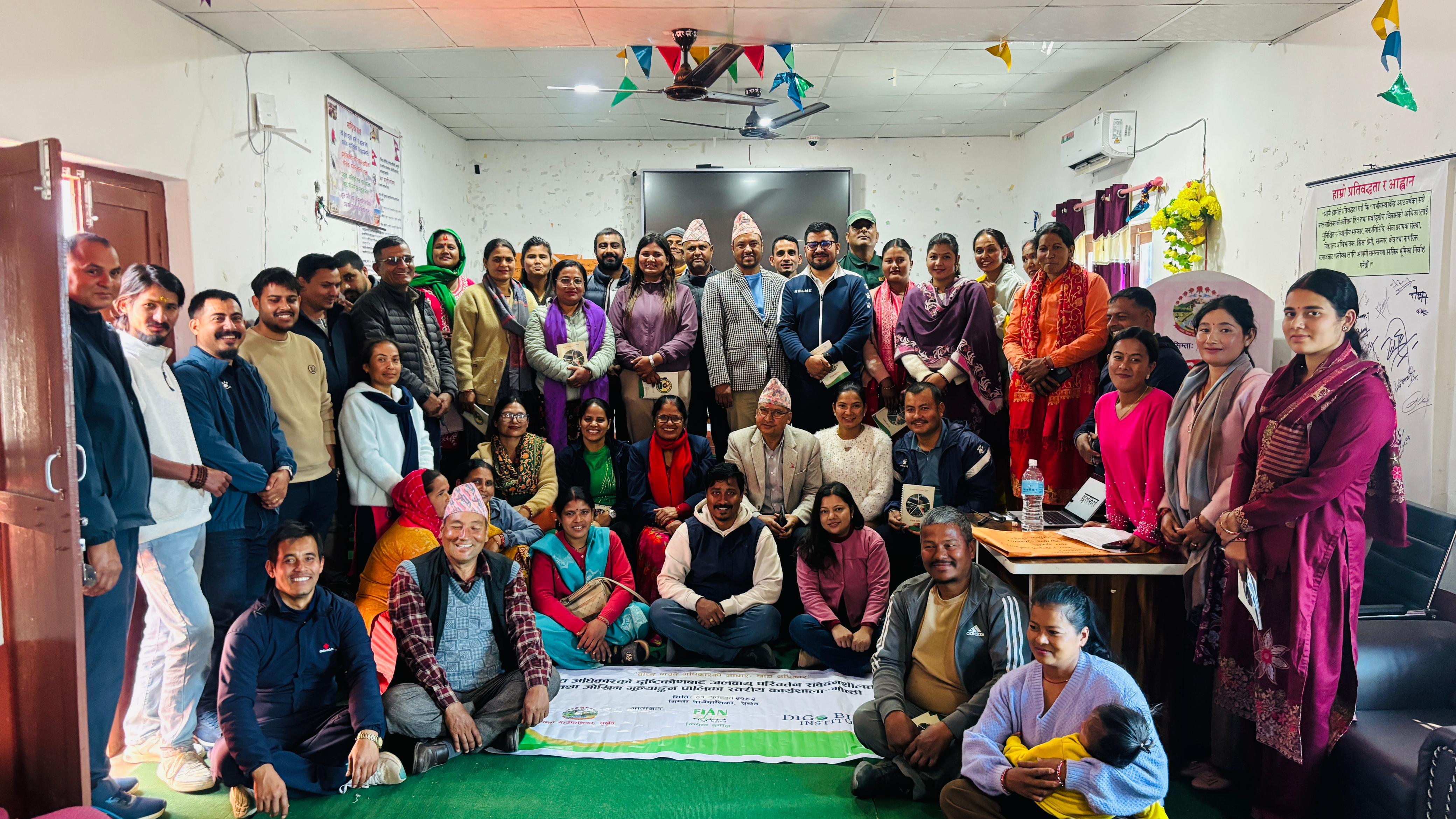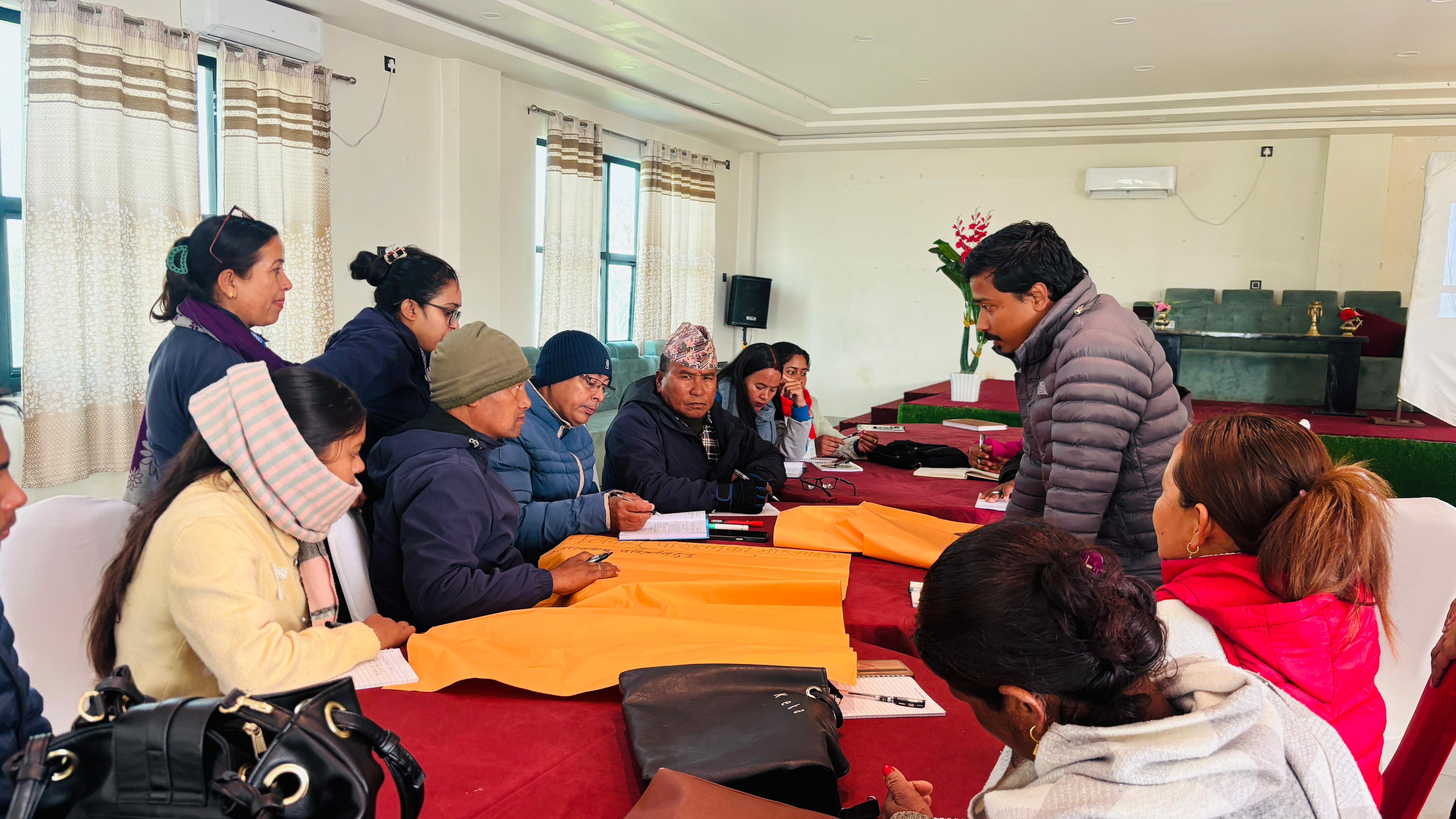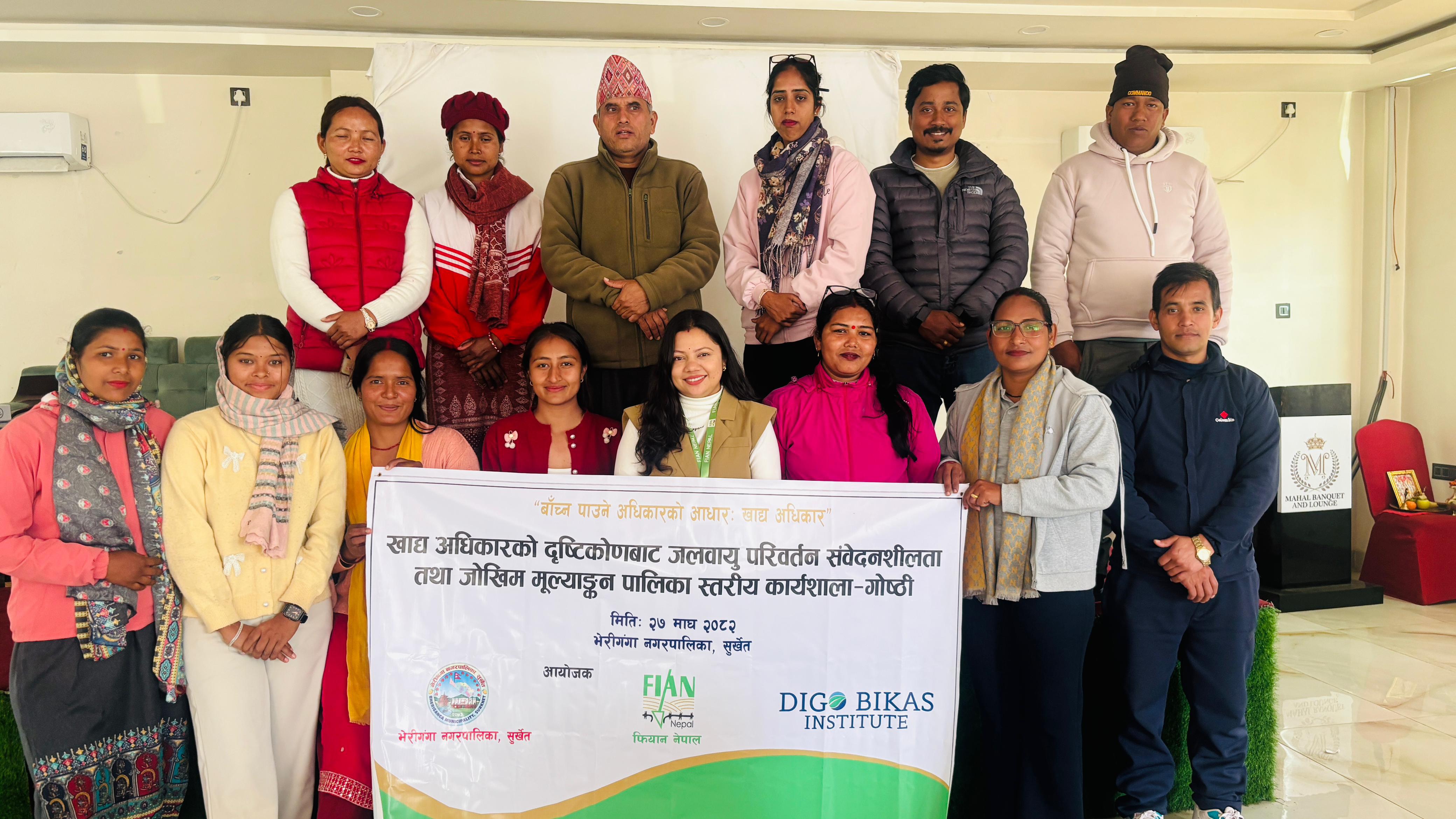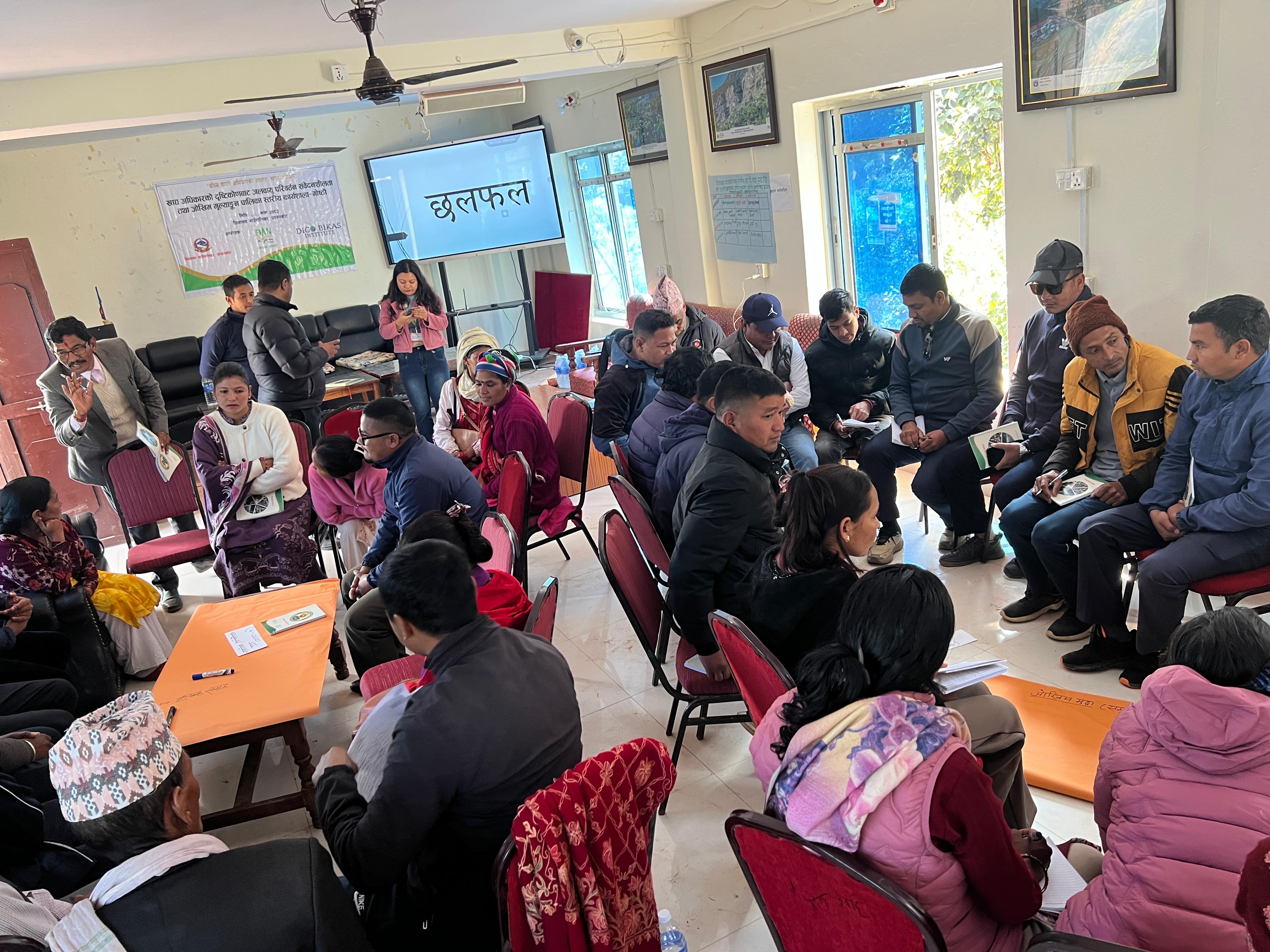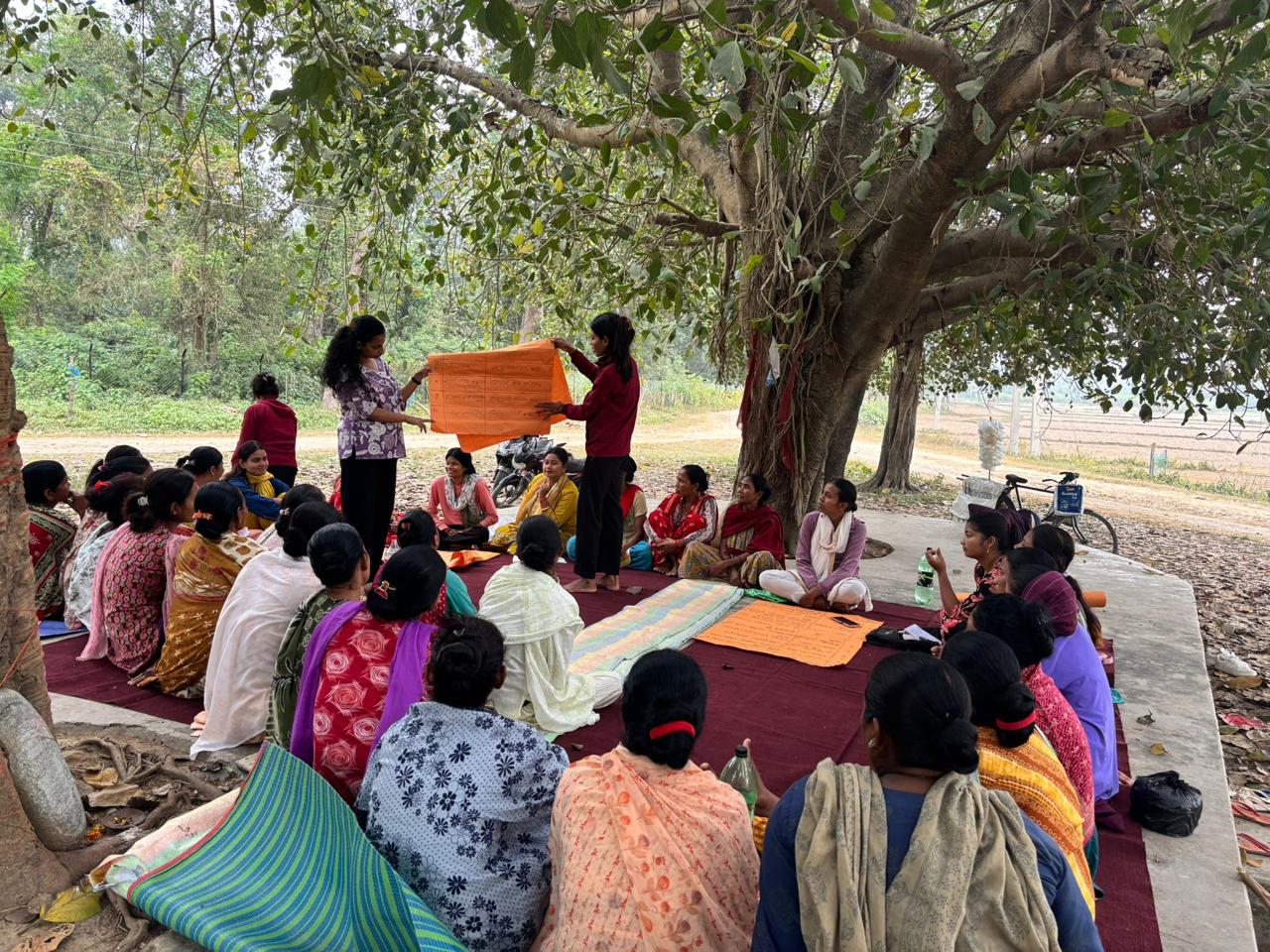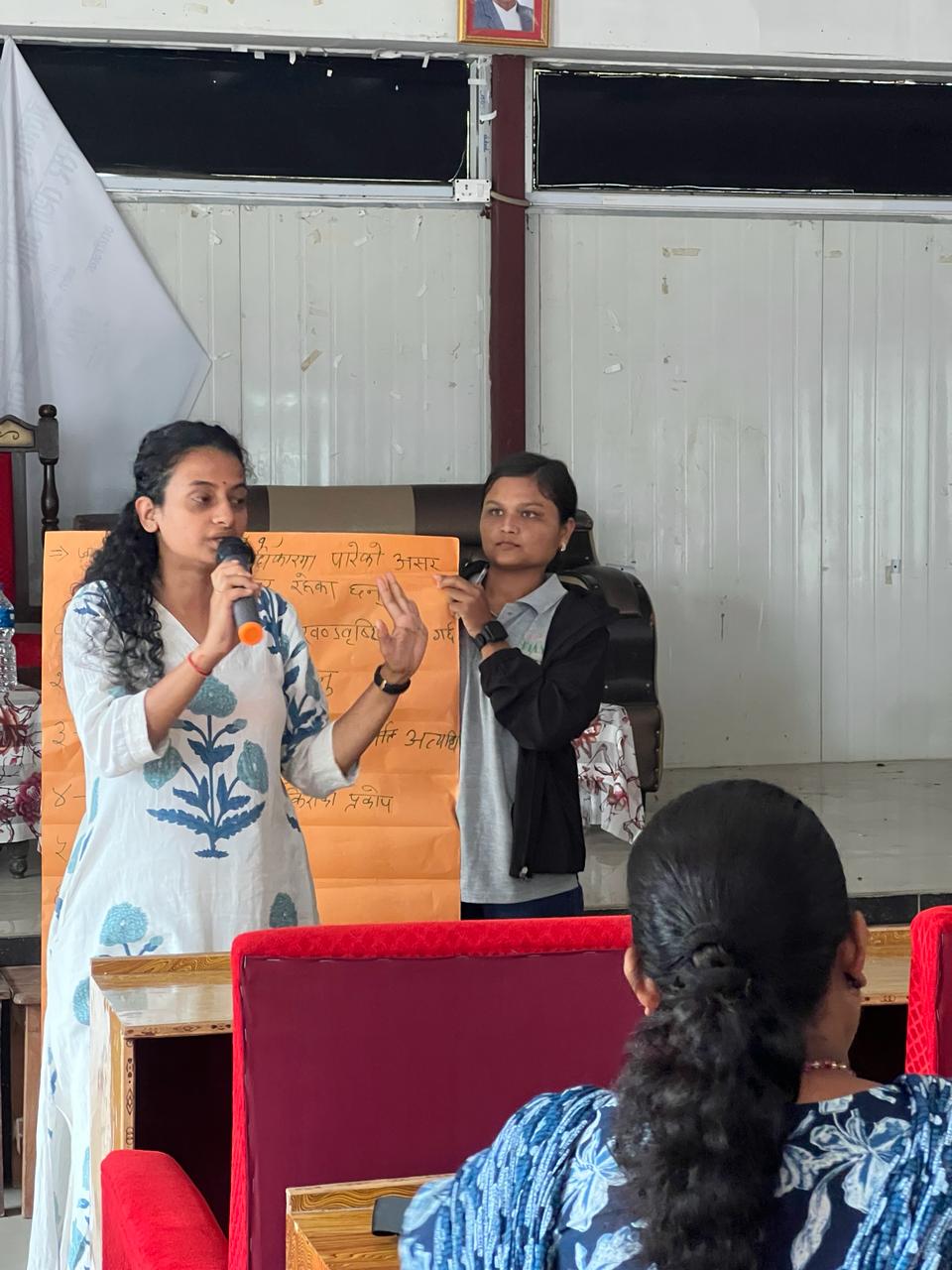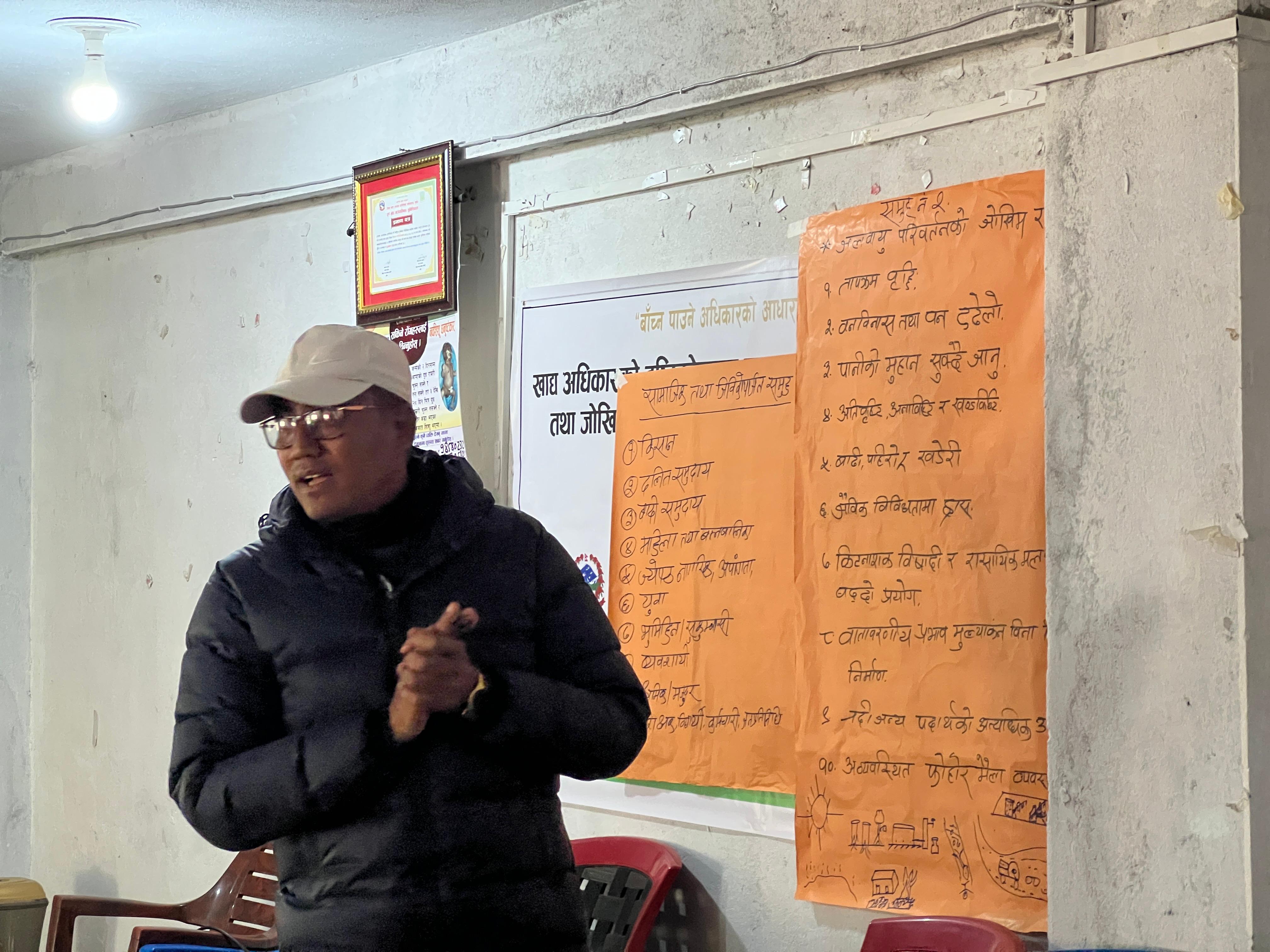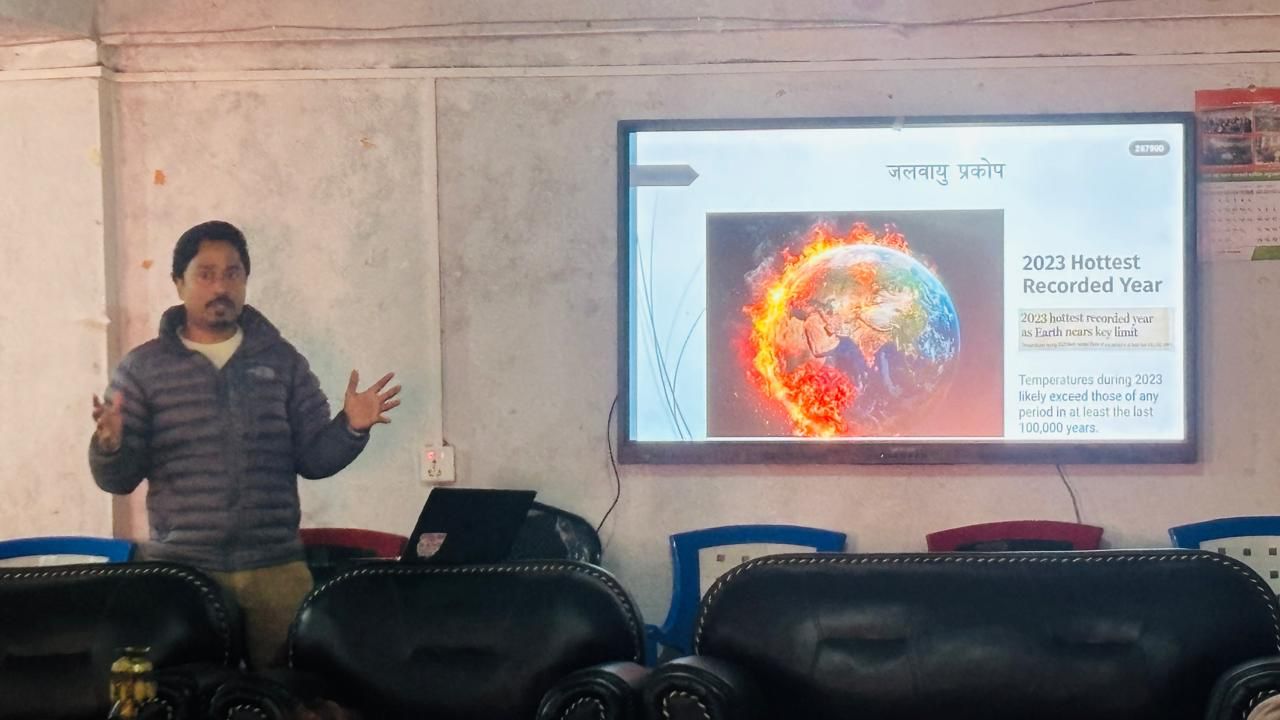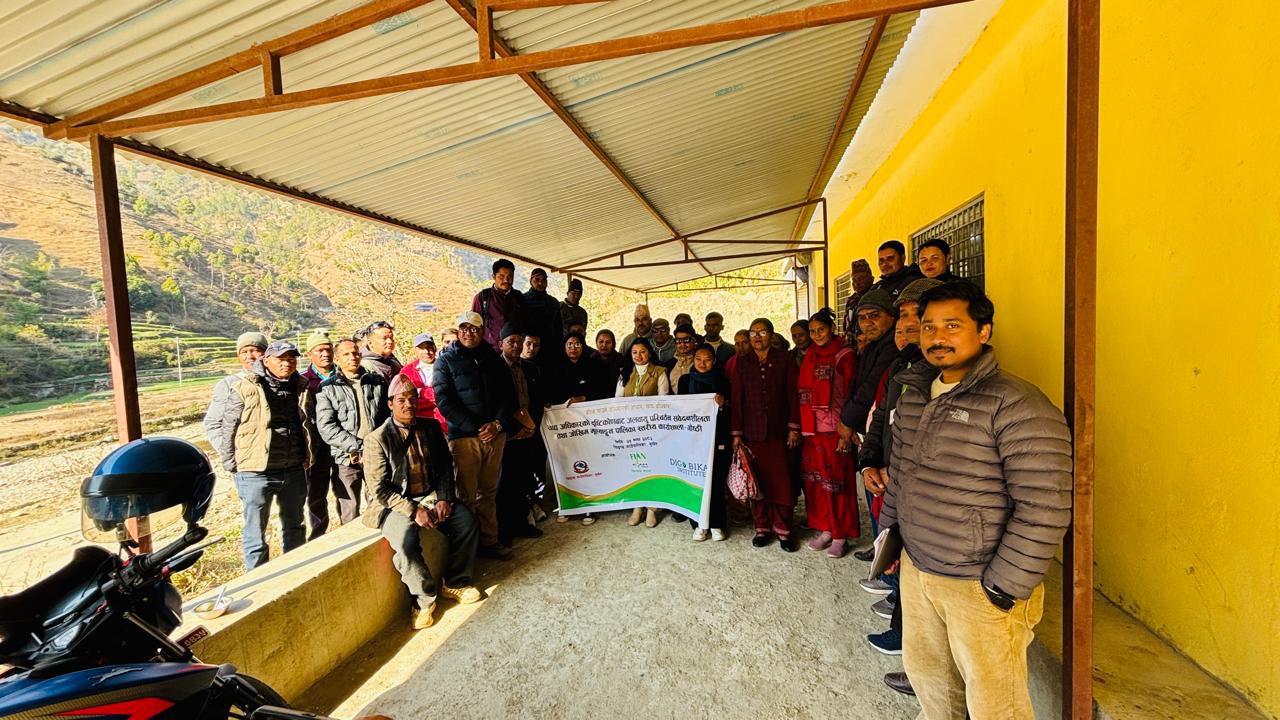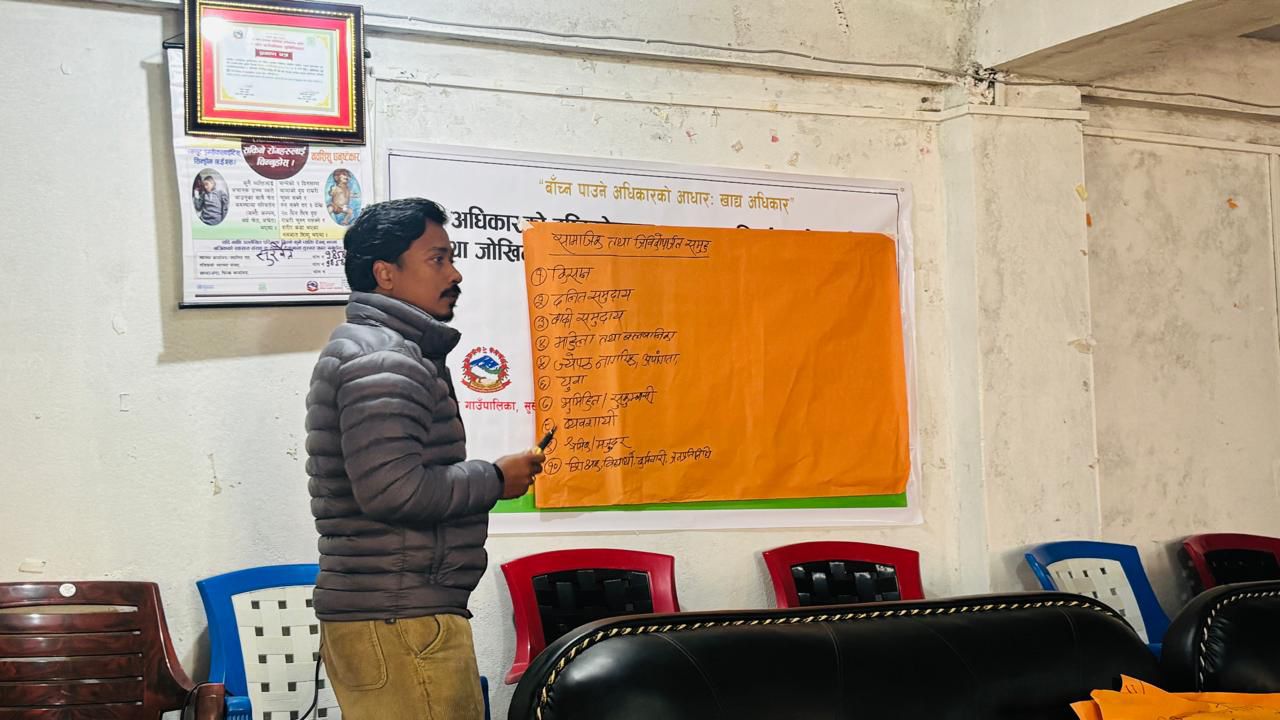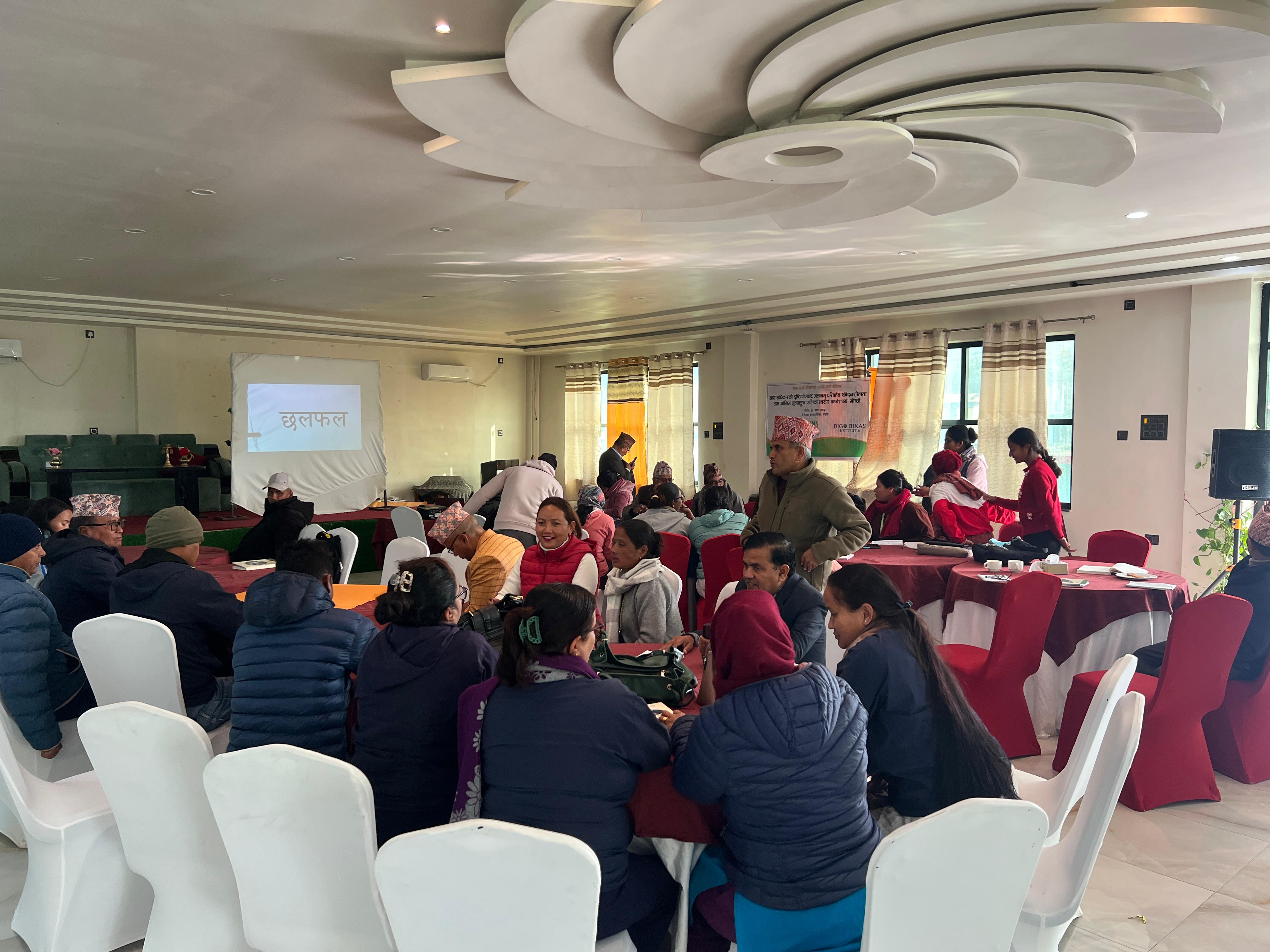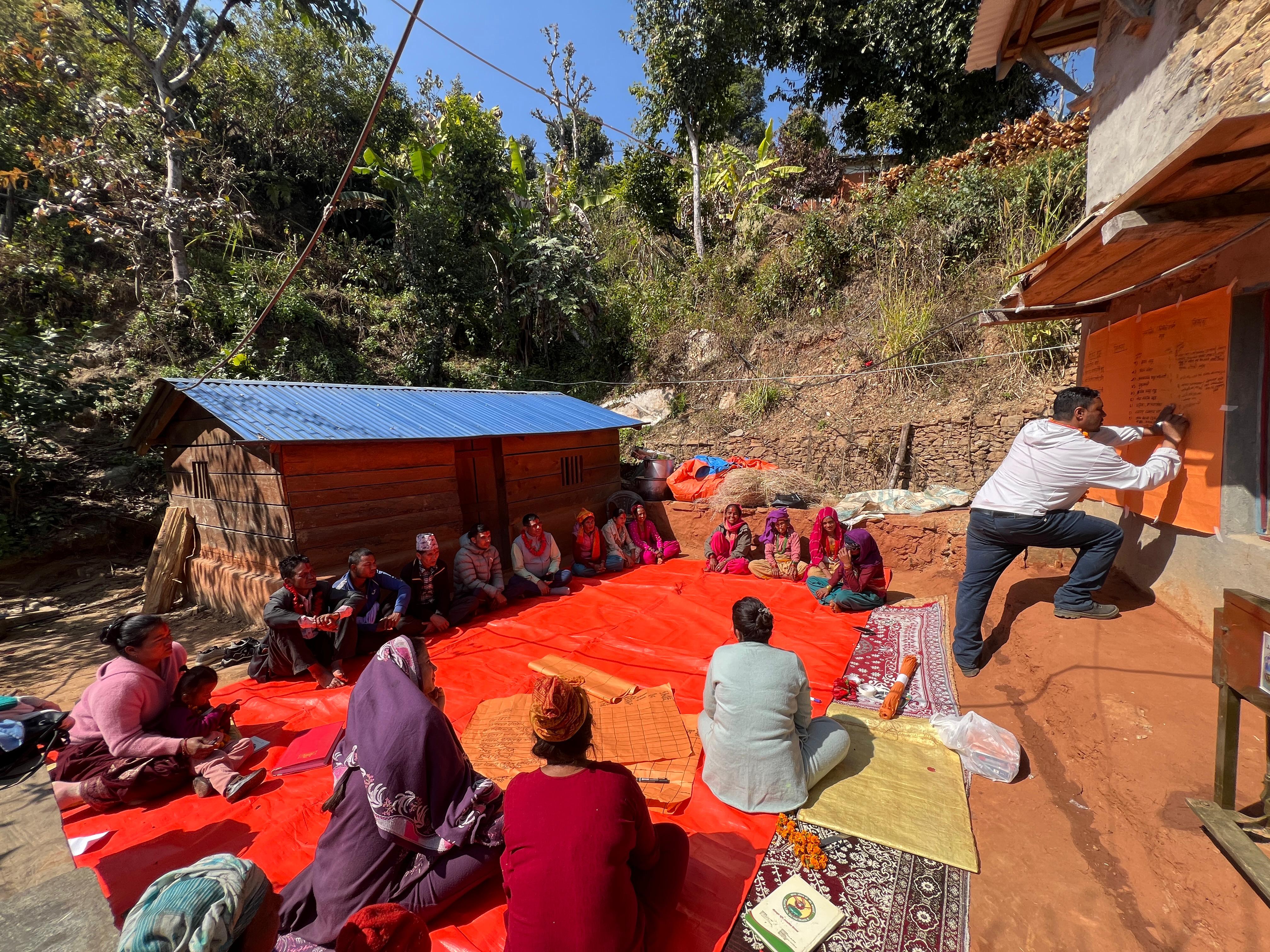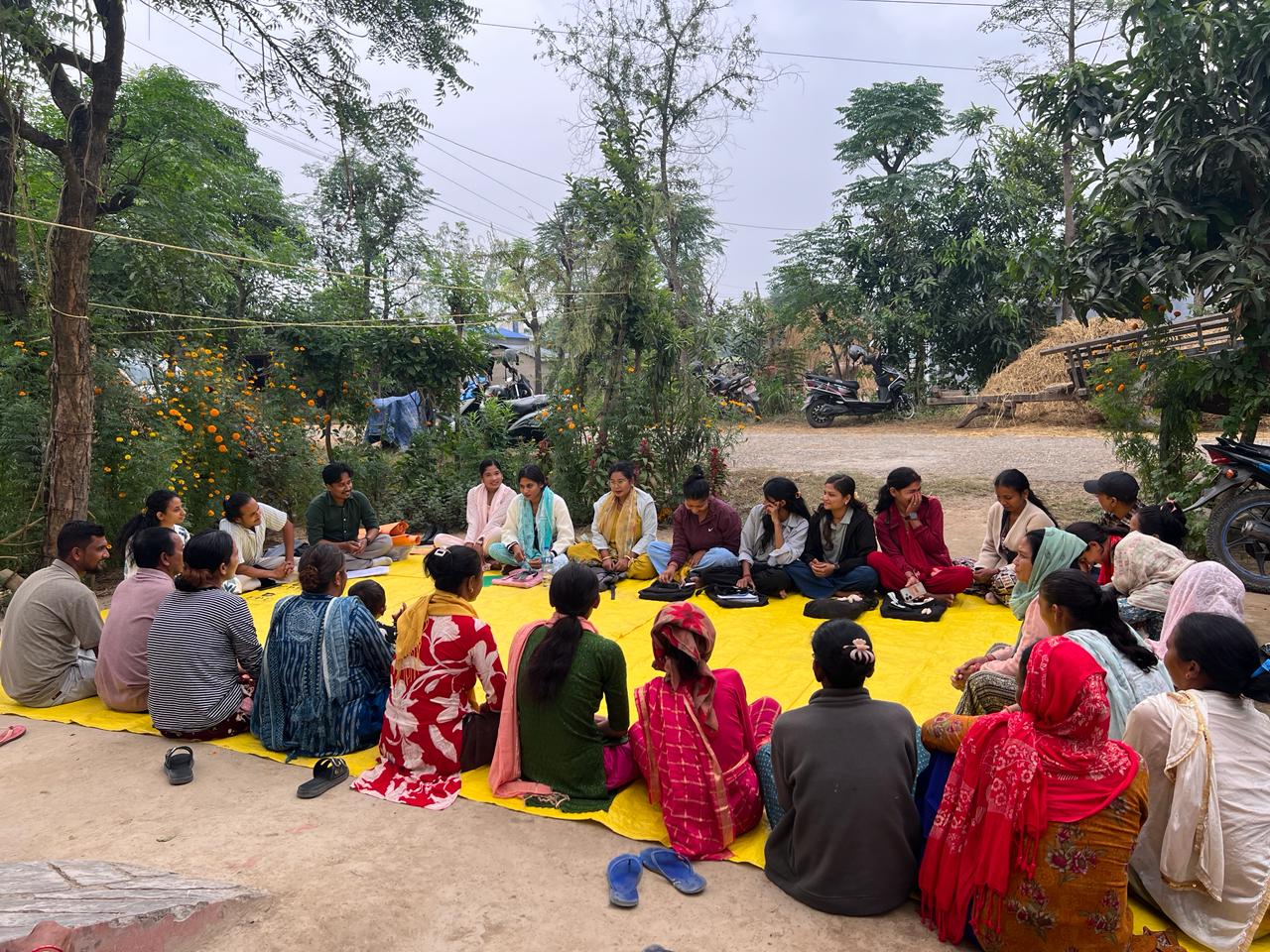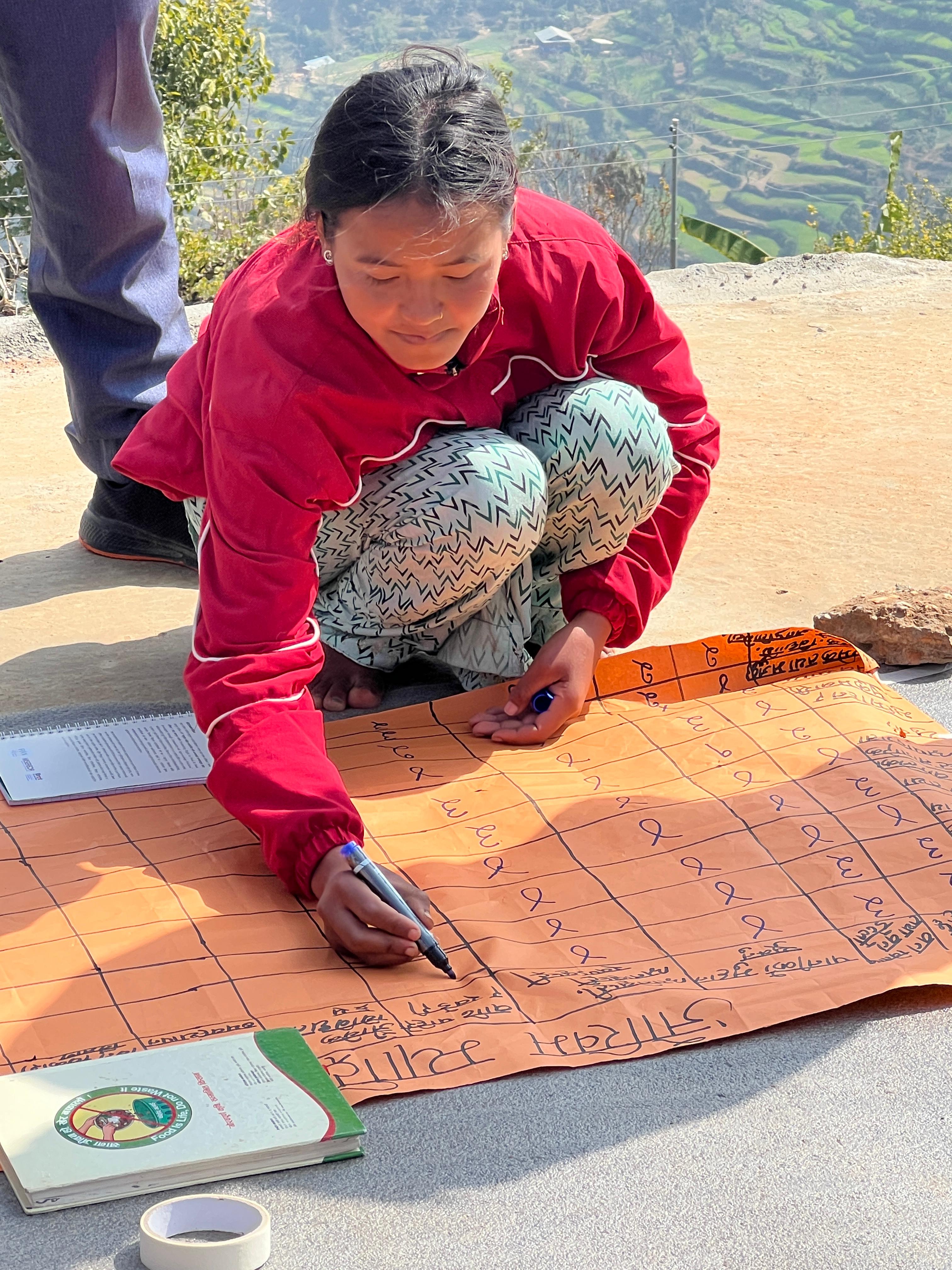
Digo Bikas Institute in coordination with FIAN Nepal has implemented Vulnerabilty and Risk Assessment (VRA) tool in Kanchnapur (Belauri municipality); Surkhet (Chingad, Bheriganga and Simta rural municipalities) and Jajarkot (Shiwalaya rural municipality) of Sudurpaschim and Karnali provinces respectively. Implementation of the VRA tool was focused on collecting the data on how food rights and sovereignty has been challenged due to different climatic changes and disasters on concerned areas/communities.
This process involved especially three phases (i.e., pre-planning, implementation and future action). The pre-planning phase involved the formation of a knowledge group emphasizing community mobilization and organizing stakeholders before assessment begins. The implementation phase centered on vulnerability and capacity analysis, where communities collectively identify climate risks, food system impacts, and existing coping capacities. Similarly, the future action phase highlighted adaptation planning and advocacy, translating assessment findings into concrete adaptation measures and policy engagement. This bottom-up approach systematizes lived experiences that affected communities’ food rights due to climate change into structured data on risk, adaptive capacity, and rights gaps, grounding climate analysis in local realities.